Choosing between a wood burning and an electric sauna is about more than selecting a heat source. Each option creates a different atmosphere and comes with its own installation, maintenance, and operating requirements. The right choice depends on where the sauna will be located, how often you plan to use it, and whether convenience or tradition matters more to you.
Atmosphere and Quality of the Sauna Experience

If you like the idea of a wood-burning sauna to give you a more traditional cosy look and feel, then visit this page for a premium European brand that will upgrade your wellness in the comfort of your own home. A wood-fired heater creates a distinctive atmosphere through the visible fire, gentle crackling sounds, and natural scent of burning wood.
Many sauna enthusiasts enjoy the ritual of arranging the logs, lighting the fire, and waiting for the room to reach the desired temperature. The stones retain heat and produce a satisfying burst of steam when water is added. However, the temperature can fluctuate and requires more attention throughout the session.
An electric sauna offers a more predictable experience. It heats the room evenly and allows the temperature to be controlled with greater precision. Modern units may also include timers, digital controls, and remote operation, making it possible to prepare the sauna before you enter.
Installation and Space Requirements

A wood-burning sauna needs a suitable chimney or flue to remove smoke safely. It also requires fire-resistant materials, adequate clearances around the heater, proper ventilation, and a protected area for loading wood. These requirements often make it better suited to a detached sauna cabin, garden building, or rural property.
Local building rules and fire regulations should be checked before installation. A qualified professional can assess the proposed location, chimney route, ventilation, and surrounding surfaces. You will also need a dry and convenient place to store firewood.
Electric heaters are generally easier to install inside a home because they do not produce smoke or require fuel storage. They still need ventilation and safe distances from combustible materials. Depending on the heater’s power, a dedicated electrical circuit or upgraded connection may be necessary, so installation should be completed by a qualified electrician.
Convenience, Maintenance, and Running Costs
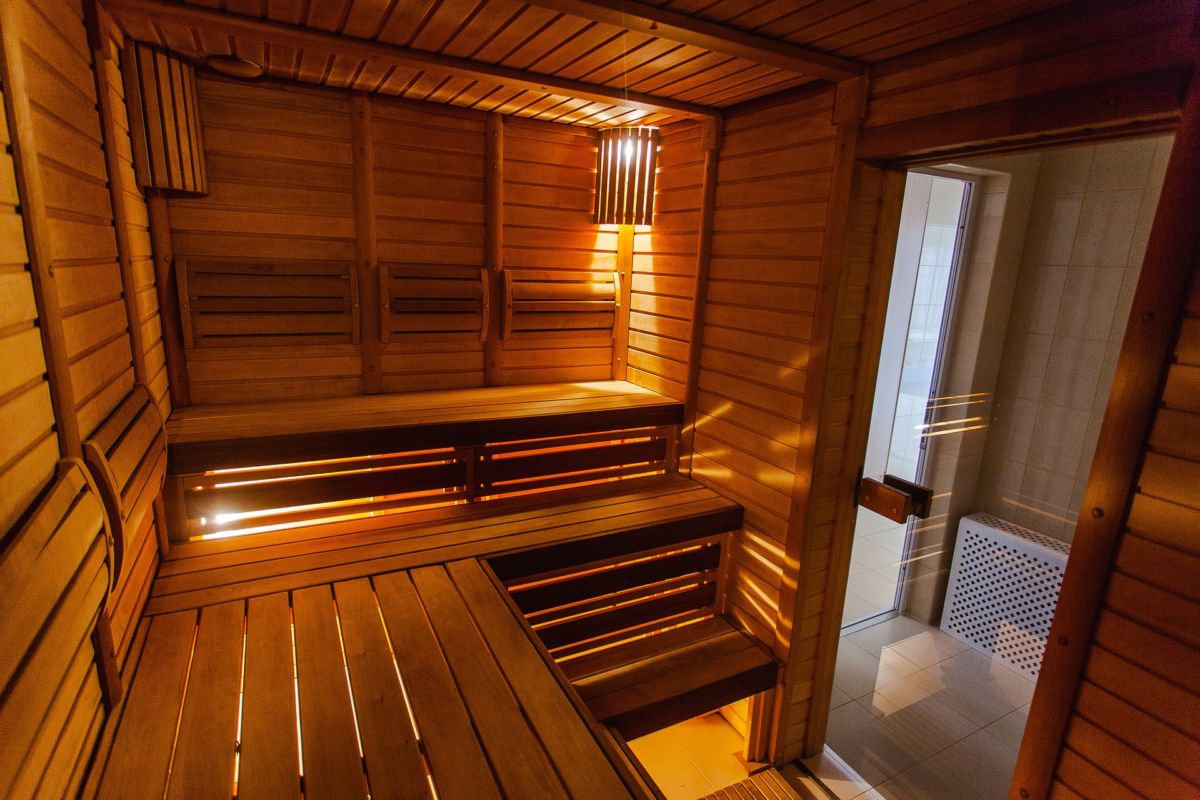
Convenience is one of the strongest advantages of an electric sauna. You can switch it on, select a temperature, and allow it to heat without managing a fire. This makes electric models practical for regular evening sessions or households where several people use the sauna at different times.
A wood-fired heater demands more involvement. Ash must be removed, the chimney requires inspection and cleaning, and a reliable supply of seasoned wood must be available. For some owners, these tasks are part of the traditional experience. For others, they may discourage frequent use.
Running costs depend on local electricity and firewood prices, heater size, insulation, and usage habits. Wood may be economical where it is readily available, while electricity provides easier cost tracking and cleaner operation. In either case, selecting the correct heater size helps reduce warm-up time and unnecessary energy use.
Conclusion
A wood burning sauna creates a traditional, atmospheric experience that suits homeowners who enjoy tending a fire and have an appropriate installation space. An electric sauna provides straightforward operation, precise temperature control, and easier indoor placement. Neither option is automatically better. The ideal choice is the one that matches your property, lifestyle, maintenance preferences, and vision of a relaxing home sauna.