
Buying a car is one of the largest purchases most people make, and it involves a long chain of paperwork, promises, and technical details. Consumer protection rules exist to make that process fairer. They set out what dealers must disclose, what warranties mean, how safety defects are handled, and where buyers can turn when something goes wrong. This guide explains the main protections in the automotive industry and how to use them.
Table of Contents
- What Consumer Protection Means in Car Buying
- Contracts and Buyers Guides
- Warranties Explained
- Inspections and Vehicle History
- Safety Defects and Recalls
- Protections at a Glance
- Delivery, Cancellation, and Refunds
- Reporting Problems
- A Closing Checklist Before You Sign
What Consumer Protection Means in Car Buying
Consumer protection in the automotive sector is a mix of federal rules, state laws, and manufacturer obligations. Together they aim to ensure that buyers receive accurate information, that written promises can be enforced, and that safety problems are addressed. In the United States, the Federal Trade Commission enforces rules that apply to dealers, while the National Highway Traffic Safety Administration oversees vehicle safety and recalls.
Protections generally fall into a few broad categories:
- Disclosure: Sellers must tell buyers about warranty coverage and known vehicle condition.
- Warranty rights: Written and implied warranties define who pays for repairs and for how long.
- Safety remedies: Manufacturers must repair, replace, or refund vehicles with safety-related defects.
- Sales fairness: Rules cover advertising, contract terms, and, for online purchases, the right to cancel in some situations.
Contracts and Buyers Guides
The most important document in a used car sale is often the Buyers Guide, a window sticker that dealers must display on used vehicles offered for sale. Under the FTC’s Used Car Rule, the guide states whether the car is sold “as is” or with a warranty, and it must be given to the buyer at the sale. If the guide and the sales contract conflict, the guide generally controls, which is why buyers should check that every negotiated change appears on it.
Before signing, confirm that:
- The Buyers Guide matches the warranty terms you agreed to verbally.
- Any promises to repair the car or cancel the sale are written down.
- The final contract reflects the agreed price, fees, and add-on products.
- You receive a copy of every document you sign.

Warranties Explained
Warranties are often misunderstood, yet they determine who pays when a car fails. There are two main types that matter to buyers:
- Express warranties: Written promises from a manufacturer or dealer, which should be provided in a document you can keep.
- Implied warranties: Unwritten promises that the vehicle will do what it is supposed to do, such as run and drive. Used cars sold without a written warranty may still carry implied warranties, unless the sale is “as is.” Coverage length depends on the state and can last up to four years.
A warranty can also be full or limited. A full warranty generally offers free service to any later owner, does not limit its duration, and gives the consumer a replacement or refund if the car cannot be fixed after a reasonable number of attempts. Most used car warranties are limited, so it is important to read which systems are covered and for how long.
Extended warranties, which are formally called auto service contracts, are a separate product. They are optional, sold by dealers, manufacturers, or independent companies, and their coverage varies widely. Buyers should compare the terms, deductibles, and exclusions before purchase.
Inspections and Vehicle History
Consumer protection works best when buyers verify facts for themselves. Independent checks give you information that a seller may not volunteer. Common steps include:
- Obtaining a vehicle history report to review title status, odometer readings, and reported accidents.
- Paying an independent mechanic for a pre-purchase inspection, even if the dealer has certified the car.
- Checking the vehicle identification number (VIN) for open recalls before you drive away.
The FTC advises buyers to get a vehicle history report and to ask for an independent inspection, since verbal assurances are difficult to enforce later.

Safety Defects and Recalls
Safety defects are a separate issue from ordinary mechanical failure. A recall is issued when a manufacturer or NHTSA determines that a vehicle, tire, car seat, or piece of equipment creates an unreasonable safety risk or fails to meet minimum safety standards. Manufacturers are required to fix the problem by repairing or replacing the part, offering a refund, or, in rare cases, repurchasing the vehicle.
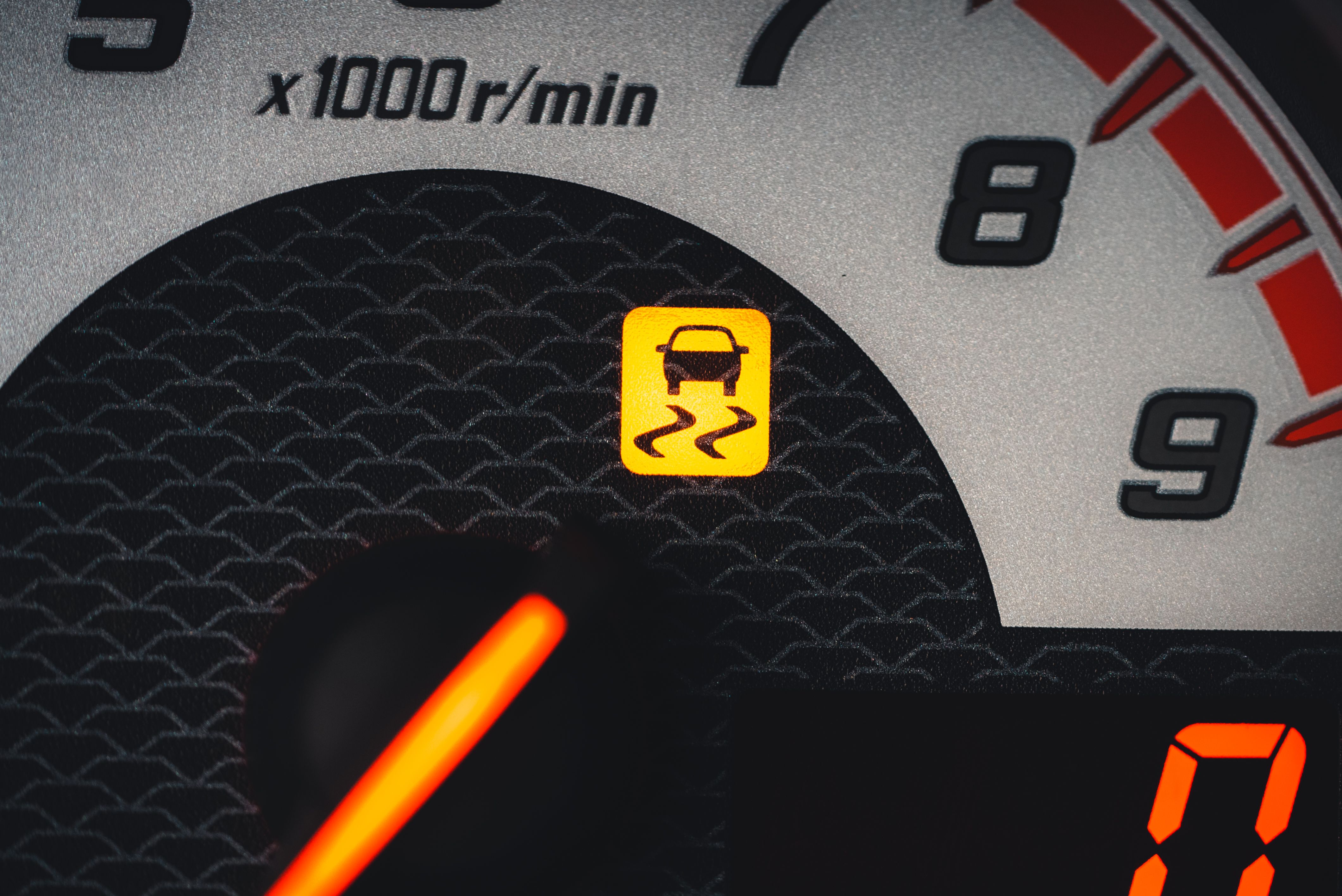
Owners can check their vehicle through NHTSA’s recall search tool, which allows lookups by VIN, license plate, or vehicle make, model, and year. Warning lights on the dashboard are another signal worth taking seriously. A persistent warning should be checked promptly rather than ignored.
Protections at a Glance
The table below summarizes common consumer protections and where buyers can find the relevant information.
Delivery, Cancellation, and Refunds
Buying online or leaving a car on order introduces its own risks. FTC enforcement actions have addressed online used car sellers who failed to provide Buyers Guides, misrepresented inspections, or missed delivery dates. For online orders, dealers must give buyers the option to cancel and receive a prompt refund if the car does not ship on time.
When you take delivery of a new or used car, it helps to:
- Inspect the vehicle for damage and confirm it matches the sales order.
- Keep records of the delivery date, mileage, and any promises made by staff.
- Note any add-ons or fees that appear on the final paperwork that were not discussed.

Reporting Problems
If a vehicle has a safety issue, or a dealer or manufacturer refuses to honor a warranty, buyers have several options. Safety concerns can be filed as complaints with NHTSA through its website or Vehicle Safety Hotline. Complaints do not need to be backed by a formal investigation to be useful, since NHTSA reviews every complaint along with other data to determine whether a defect trend exists.
Warranty and sales disputes are often handled by state consumer protection offices or the state attorney general. Keeping written records, including emails, invoices, service orders, and the Buyers Guide, makes any dispute far easier to resolve.
Some disputes grow into group claims against manufacturers or dealers. Coverage of these cases, including legal profession coverage of a recent law firm investigation, shows how closely such claims are scrutinized and why accurate documentation matters.
A Closing Checklist Before You Sign
Consumer protection is most effective when buyers use it before a problem appears. A short review before signing can prevent months of frustration. Consider this final check:
- Verify the VIN for open recalls and confirm the vehicle history.
- Read the Buyers Guide and make sure it reflects every promise made.
- Ask for warranty documents and check their coverage and expiration.
- Decide on any extended contract only after comparing terms in writing.
- Keep copies of everything, including the final signed contract.
Protections in the automotive industry only work when buyers know they exist and can prove what was promised. Treat every verbal assurance as a starting point, put the important details on paper, and keep those records for as long as you own the vehicle.