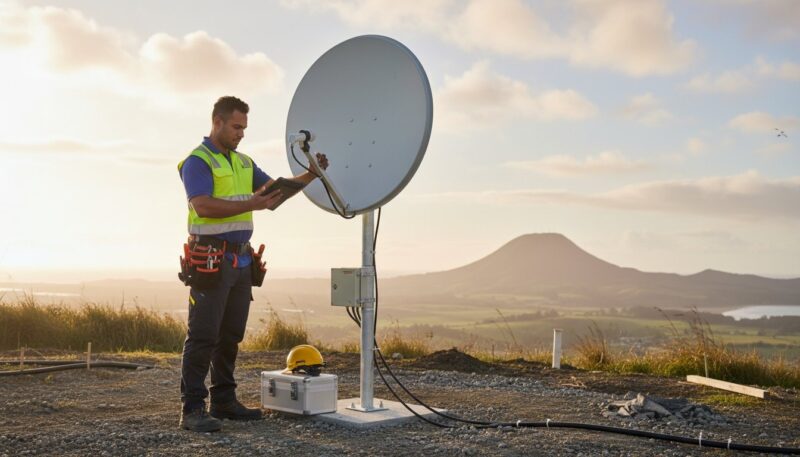
Satellite internet has become one of the most practical solutions for people who need reliable connectivity outside traditional network coverage. Whether you live in a rural area, travel frequently, work from remote sites, or need internet access while camping, satellite technology can help you stay connected where standard broadband or mobile networks may not reach.
Unlike fixed cable or fiber services, satellite internet does not depend on ground based infrastructure in the same way. This makes it especially useful for remote homes, mobile businesses, construction sites, farms, caravans, boats, and temporary work locations. However, before choosing a service, it is important to understand how satellite internet works, what affects performance, and what features matter most for your needs.
Understand How Satellite Internet Works
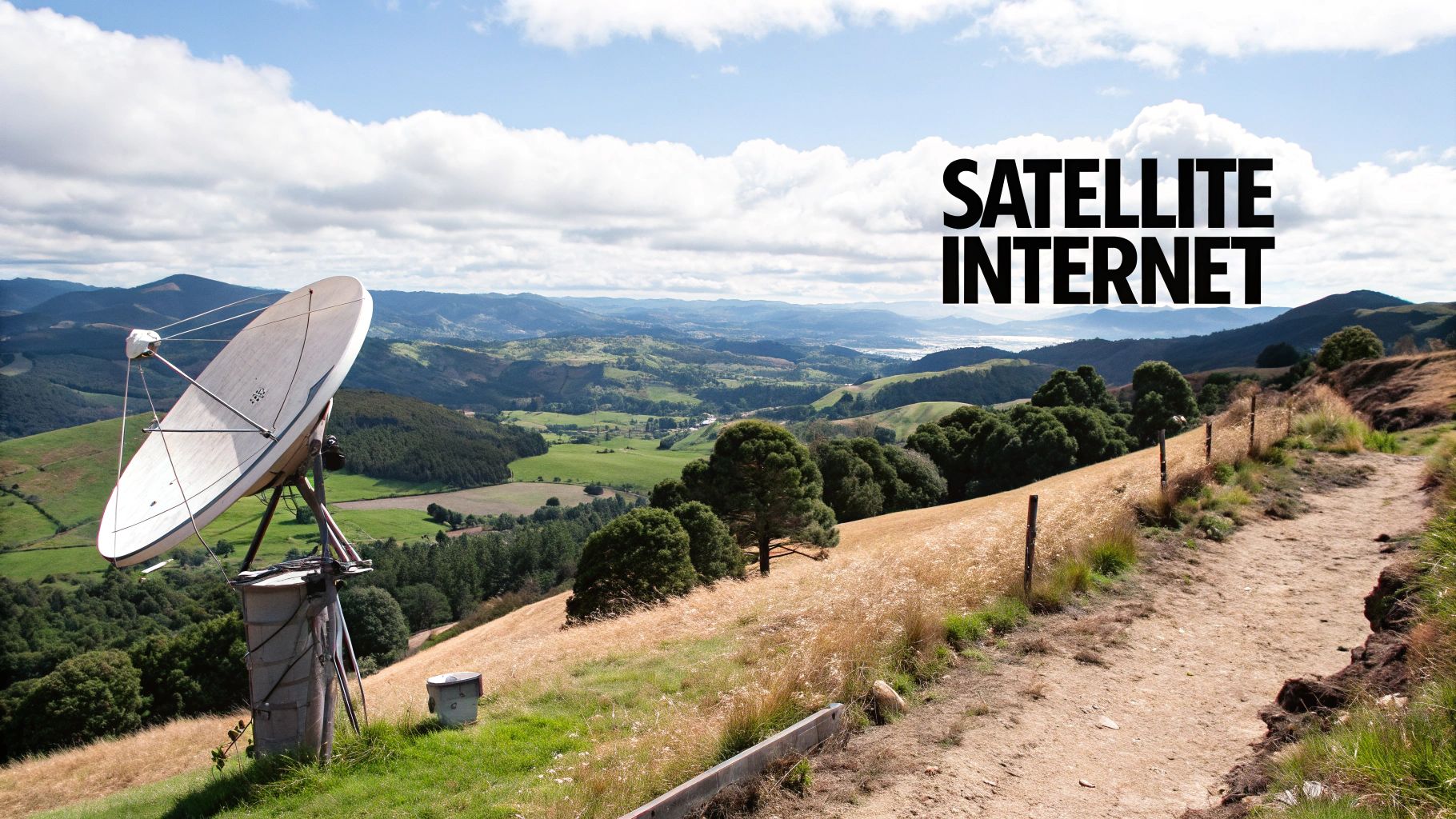
Satellite internet connects your device to the internet through a satellite dish or terminal that communicates with satellites orbiting above the Earth. This allows users in remote locations to access the internet without relying on nearby phone lines, fiber cables, or local mobile towers.
When reviewing your options, it can be helpful to look at Starlink internet plans for comparison so you can better understand differences in speed, mobility features, equipment costs, and monthly pricing. Comparing plans gives you a clearer idea of what type of service suits your location and usage habits.
Performance can vary depending on the provider, satellite coverage, weather conditions, equipment placement, and network congestion. For the best results, the satellite dish usually needs a clear view of the sky with minimal obstruction from trees, buildings, or hills.
Consider Your Location and Mobility Needs

Your location plays a major role in choosing the right satellite internet setup. A permanent rural home may need a fixed installation designed for consistent daily use, while travelers may prefer a portable option that can be moved between different locations.
For mobile users, flexibility is especially important. People using internet in caravans, RVs, remote job sites, or temporary camps need equipment that is easy to transport and set up. Some satellite internet services are designed specifically for roaming, allowing users to stay connected while moving between regions.
It is also important to consider how often you will use the service and for what purpose. Basic browsing, email, and messaging require less bandwidth, while video calls, streaming, online work, cloud backups, and file transfers need stronger and more stable performance. Understanding your usage helps prevent paying for more than you need or choosing a plan that cannot support your activities.
Check Equipment, Speed, and Reliability Factors

Satellite internet usually requires specific equipment, including a dish or terminal, router, cables, and power supply. Before purchasing, check whether the equipment is suitable for fixed use, mobile use, or both. Some systems are designed to stay in one place, while others are built for easier transport and repeated setup.
Speed is another important factor, but it should not be the only consideration. Reliability, latency, data limits, customer support, and coverage are also important. Low latency is especially useful for video calls, remote work, and online applications that require quick response times.
Power availability should also be planned carefully in remote areas. If you are camping, traveling, or working off grid, you may need solar panels, batteries, or a generator to keep your equipment running. A stable power source helps maintain connection and prevents interruptions during important tasks.
Conclusion
Satellite internet is a valuable option for remote areas and mobile use, offering connectivity where traditional services are unavailable or unreliable. By understanding how the technology works, comparing plans, checking equipment requirements, and considering your location and usage needs, you can choose a solution that supports both convenience and performance. With proper planning, satellite internet can make remote living, travel, and outdoor work much more connected and practical.