A first camping trip is exciting, but it can also be overwhelming without the right preparation. A well thought out starter kit makes the difference between a relaxed outdoor experience and a stressful one. The purpose of a first camping trip kit is not to bring everything possible, but to cover essentials that support comfort, safety, and practicality. When the basics are handled properly, new campers can focus on enjoying nature instead of solving avoidable problems.
Shelter, sleep, and weather protection essentials
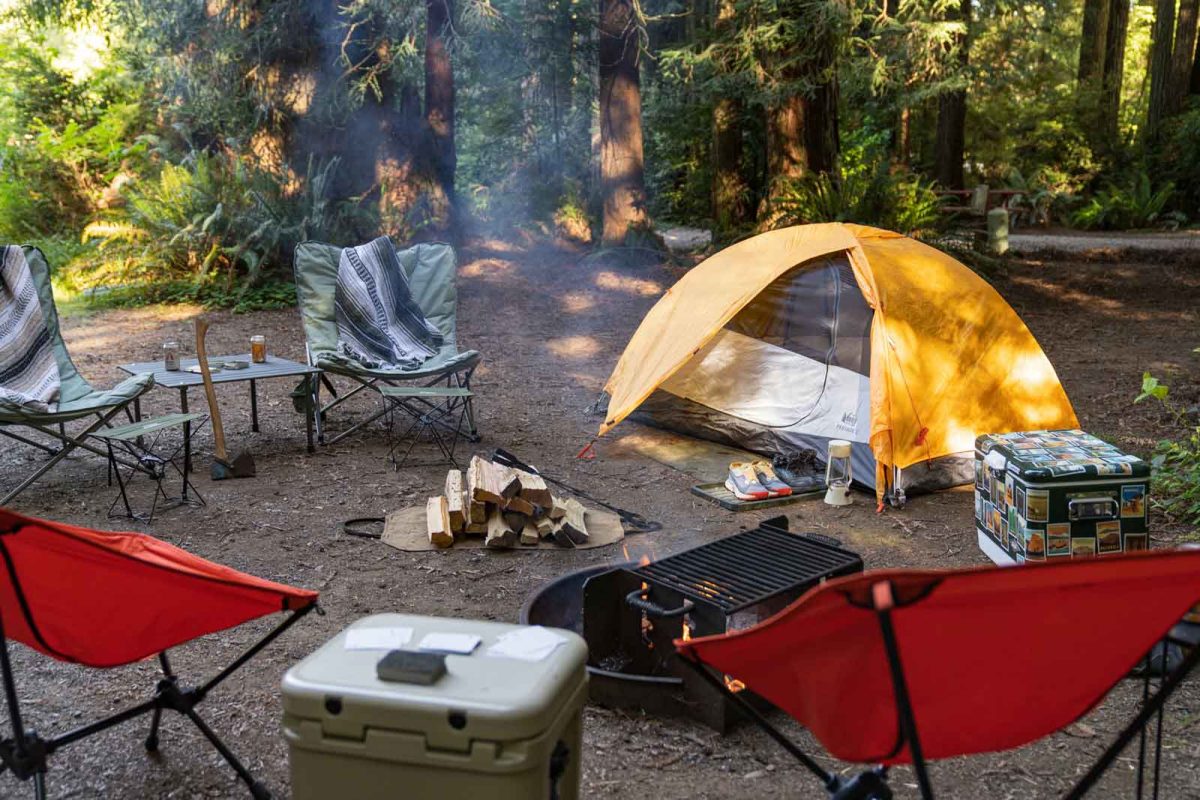
The foundation of any camping starter kit is reliable shelter and sleep gear. A suitable tent or swag provides protection from wind, rain, and insects while creating a comfortable personal space. It should be easy to set up and appropriate for the expected weather conditions. Ground protection such as a groundsheet or footprint is equally important, as it helps keep moisture out and extends the life of your shelter.
Sleeping comfort is often underestimated by beginners. A quality sleeping bag matched to the expected temperature range is essential for warmth and rest. A sleeping mat or inflatable mattress adds insulation from the ground and improves sleep quality significantly. Poor sleep can quickly affect mood and energy levels, especially for first time campers.
Weather protection also plays a major role. Basic items like a tarp, rain jacket, and warm layers ensure comfort even when conditions change unexpectedly. Starter kits designed by experienced outdoor brands such as Ground Dogs often prioritize these core elements to help beginners stay dry, warm, and rested.
Cooking, hydration, and basic camp functionality
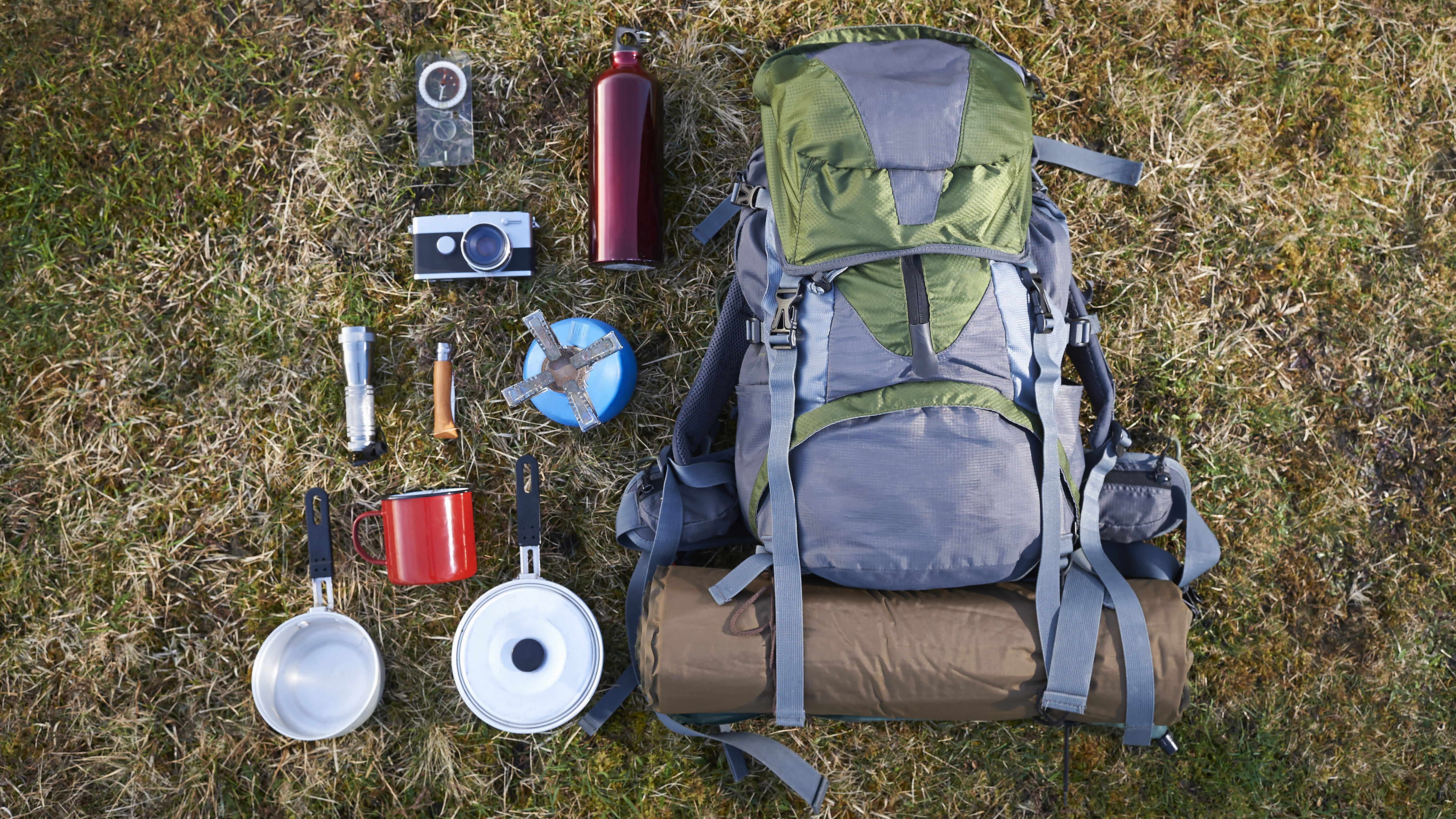
Food and water management are central to a positive camping experience. A first camping trip kit should include simple cooking equipment that matches the style of camping. This usually means a compact stove, fuel, basic cookware, and utensils. Keeping cooking gear simple reduces setup time and minimizes frustration for new campers.
Hydration is just as important. Clean drinking water should always be planned for, either by bringing sufficient water or using a filtration or purification system suitable for the location. Dehydration can happen quickly outdoors, even in cooler conditions.
Other functional items support daily camp life. A headlamp or torch provides hands free lighting after dark. A multi tool or basic knife helps with small tasks around camp. Trash bags, cleaning cloths, and biodegradable soap help keep the campsite organized and environmentally responsible. These items may seem small, but they contribute greatly to comfort and efficiency.
Safety, comfort, and confidence for beginners

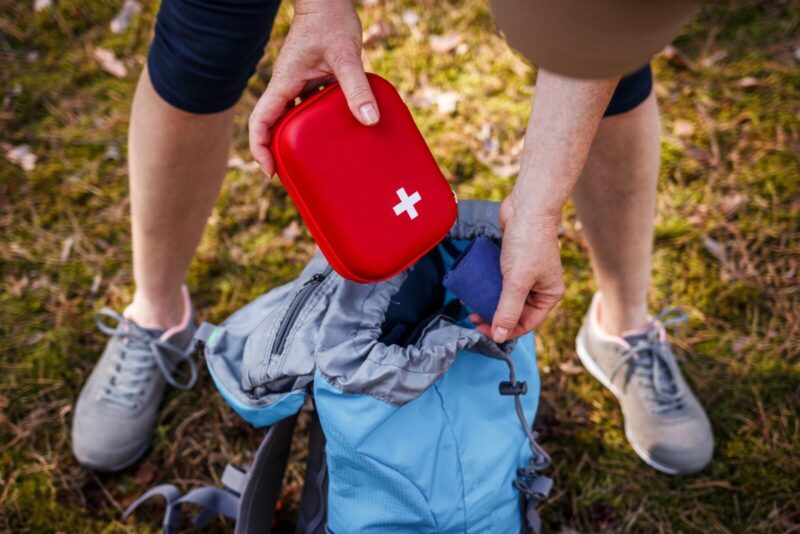
Safety items should always be included in a starter kit, even for short or simple trips. A basic first aid kit allows you to handle minor injuries such as cuts, blisters, or insect bites. Navigation tools like a map or offline navigation app add reassurance, especially in unfamiliar areas.
Comfort items also matter more than beginners often expect. Camp chairs, sunscreen, insect repellent, and appropriate clothing layers all contribute to a more enjoyable experience. When physical discomfort is minimized, confidence grows quickly.
Perhaps the most important benefit of a complete starter kit is peace of mind. Knowing you have the essentials covered allows you to relax and enjoy the experience. Confidence built on the first trip often determines whether camping becomes a long term hobby or a one time attempt.
Conclusion
A first camping trip kit is about preparation, not excess. By focusing on shelter and sleep, basic cooking and hydration, and essential safety and comfort items, beginners set themselves up for success. The right starter kit reduces stress, builds confidence, and allows new campers to experience the outdoors in a positive and memorable way. With thoughtful preparation, a first camping trip becomes the beginning of many future adventures rather than a learning experience filled with avoidable challenges.