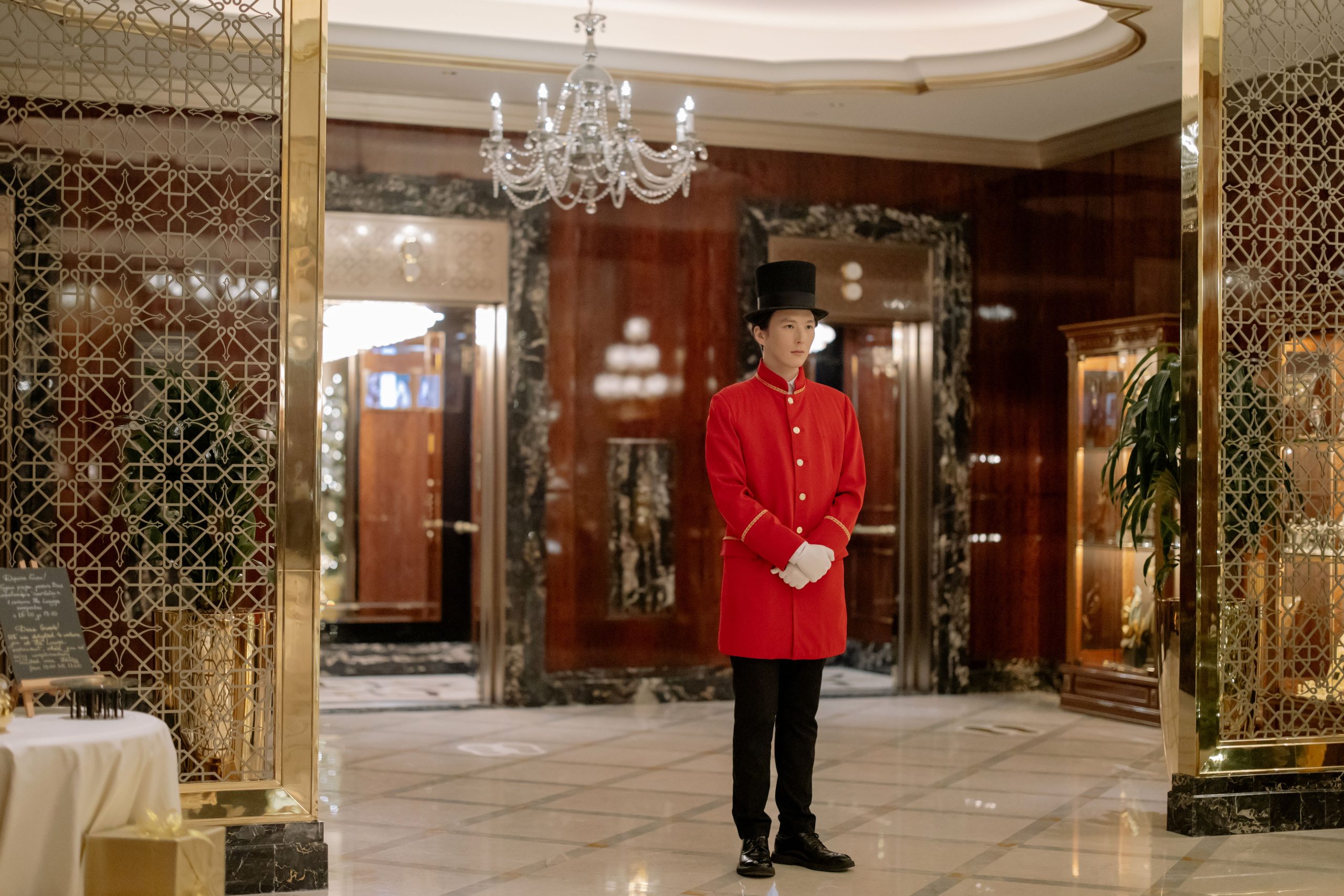
Luxury used to announce itself in objects: the numbered handbag, the steel watch, the car built to a specification sheet a metre long. Yet watch where the premium has actually moved and the object is steadily losing. The biggest prices – and the longest waitlists – now buy the experience of being personally known.
The paradox of personalization at scale
Software made personalization cheap. Recommendation engines, predictive clienteling and AI assistants mean “suggested for you” is now the default of nearly every purchase, so being algorithmically remembered is worth almost nothing. That is exactly why being genuinely attended to has become worth everything: mass personalization did not kill the luxury of attention. It made attention the only scarce thing left.
The top of the market is already acting on it. BCG and Altagamma’s 2026 True-Luxury survey of more than 10,000 buyers found top-tier clients now account for 24 percent of luxury spending, up from 14 percent a decade ago, while logo visibility ranked as the least important purchase driver of all. The same study found resistance concentrates where AI displaces rather than assists the human advisor. My read: buyers will forgive a machine that remembers their size, but they resent one that pretends to care.
From the atelier to the coffee bar
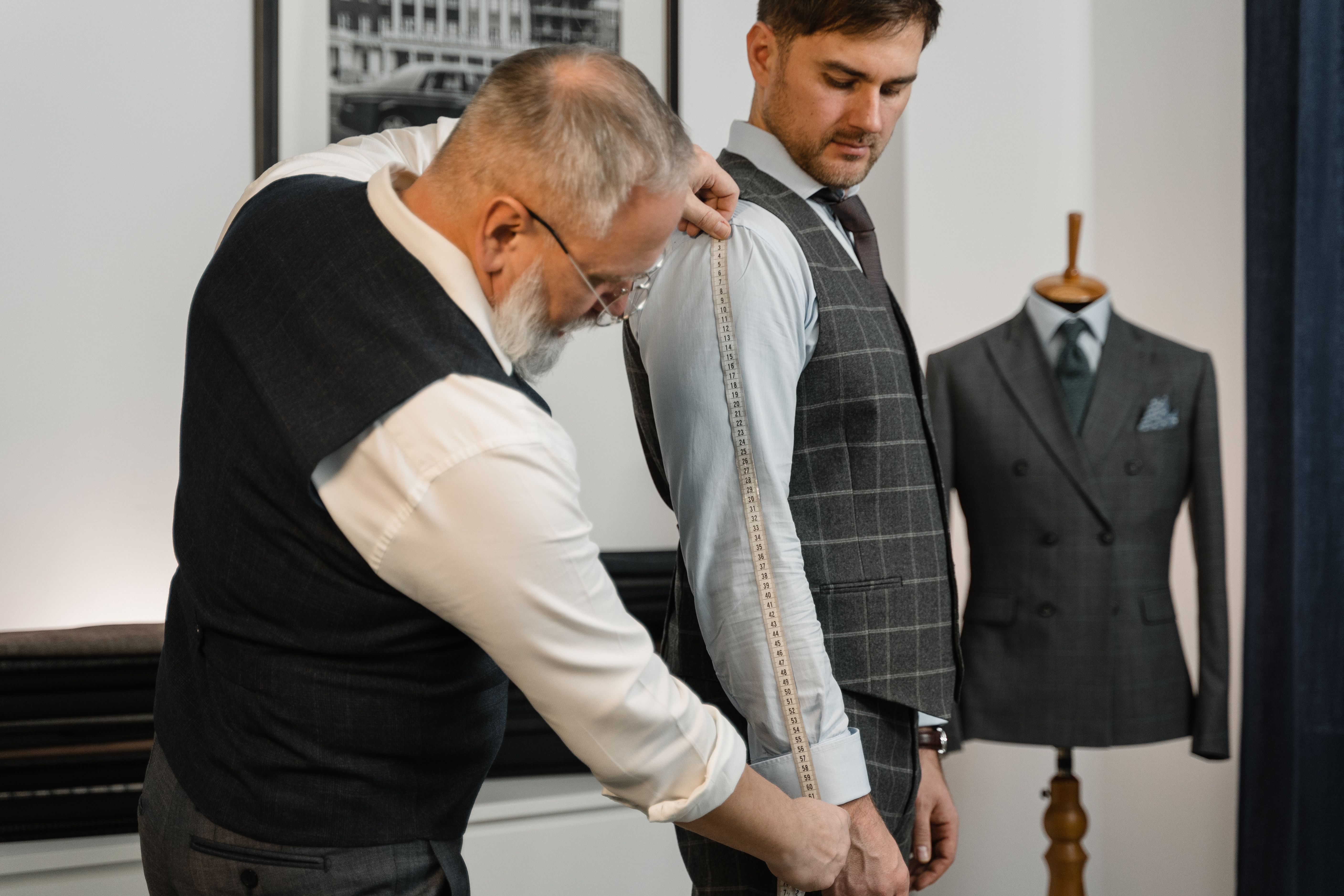
It shows up first in fashion. Market researchers put the global bespoke tailoring market at roughly $4.8 billion in 2025 and climbing, because a suit cut to your body is really the record of an afternoon when someone measured, asked and adjusted for you. The fitting is not logistics before the product; it is the product.
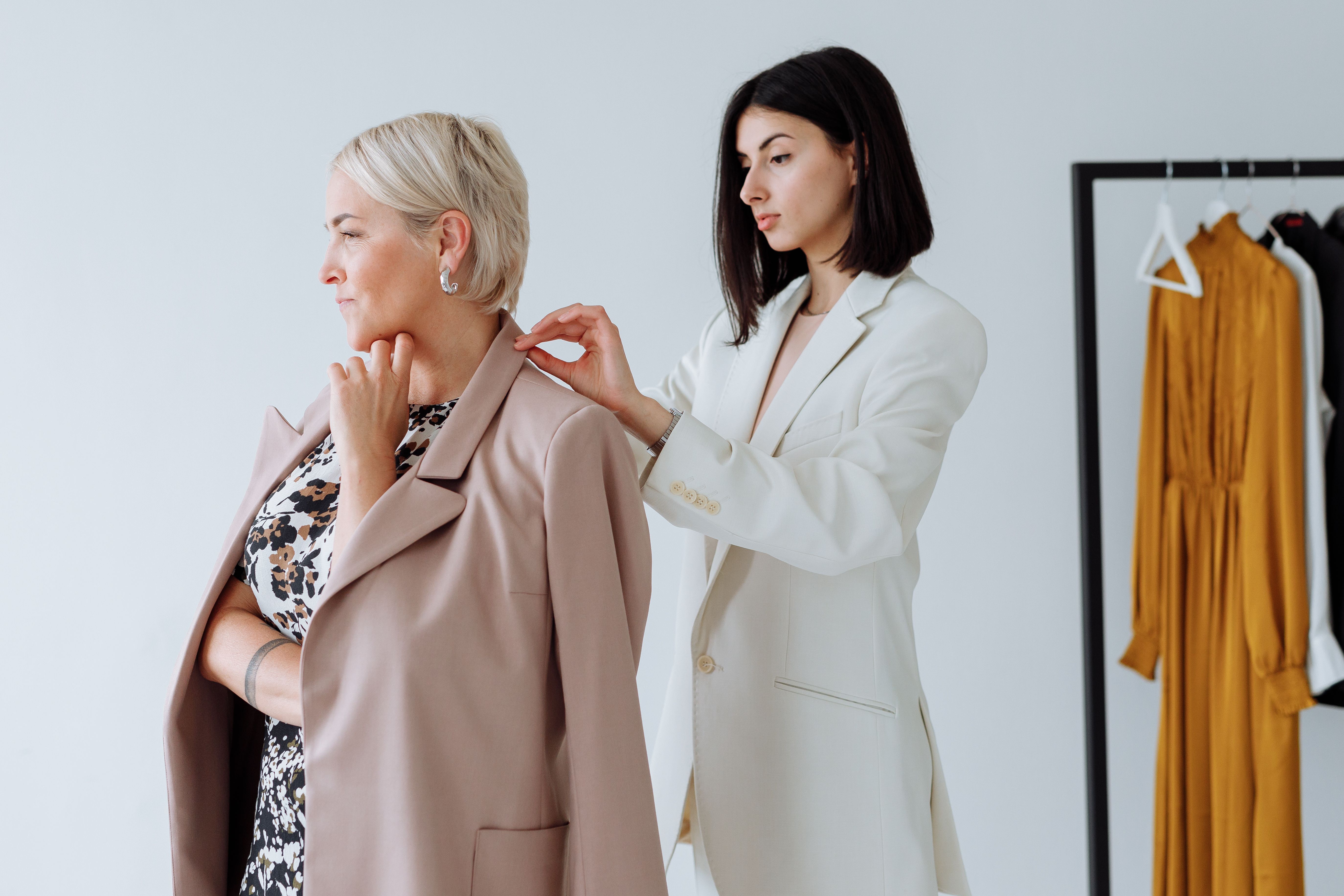
The same logic runs through the private styling session, where a consultant edits a rack down to three pieces before you arrive. Nothing in that room is mass-produced; the attention is. Boutiques that once sold product now sell the privilege of having someone who knows your taste.
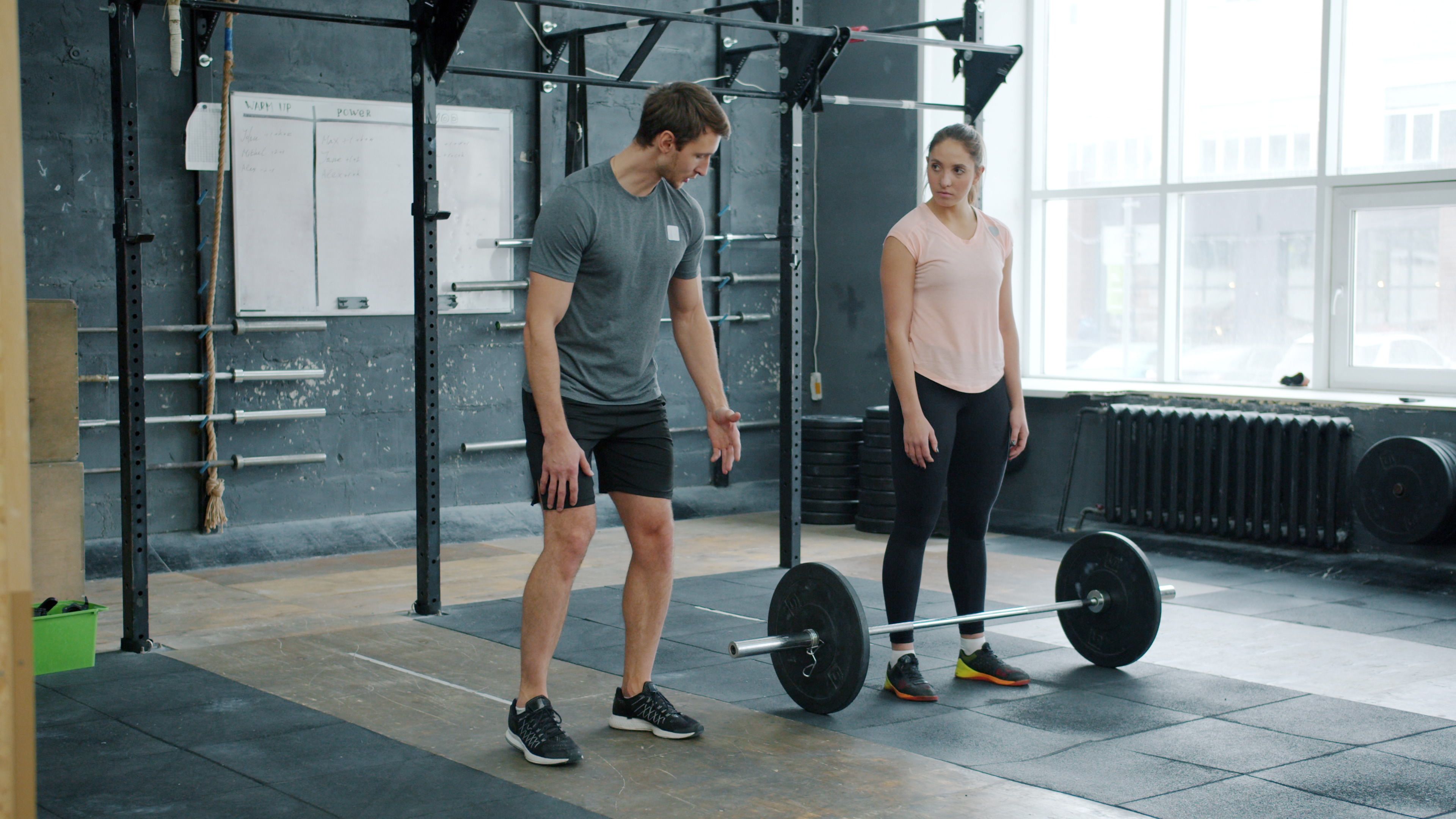
Fitness and wellness run on the identical principle. A personal trainer earns the premium not for the equipment but for knowing which shoulder still aches and which rep you quit last week. In the spa, the deluxe treatment is the one built around a single guest – her skin, her stress, her sleep, her hour.
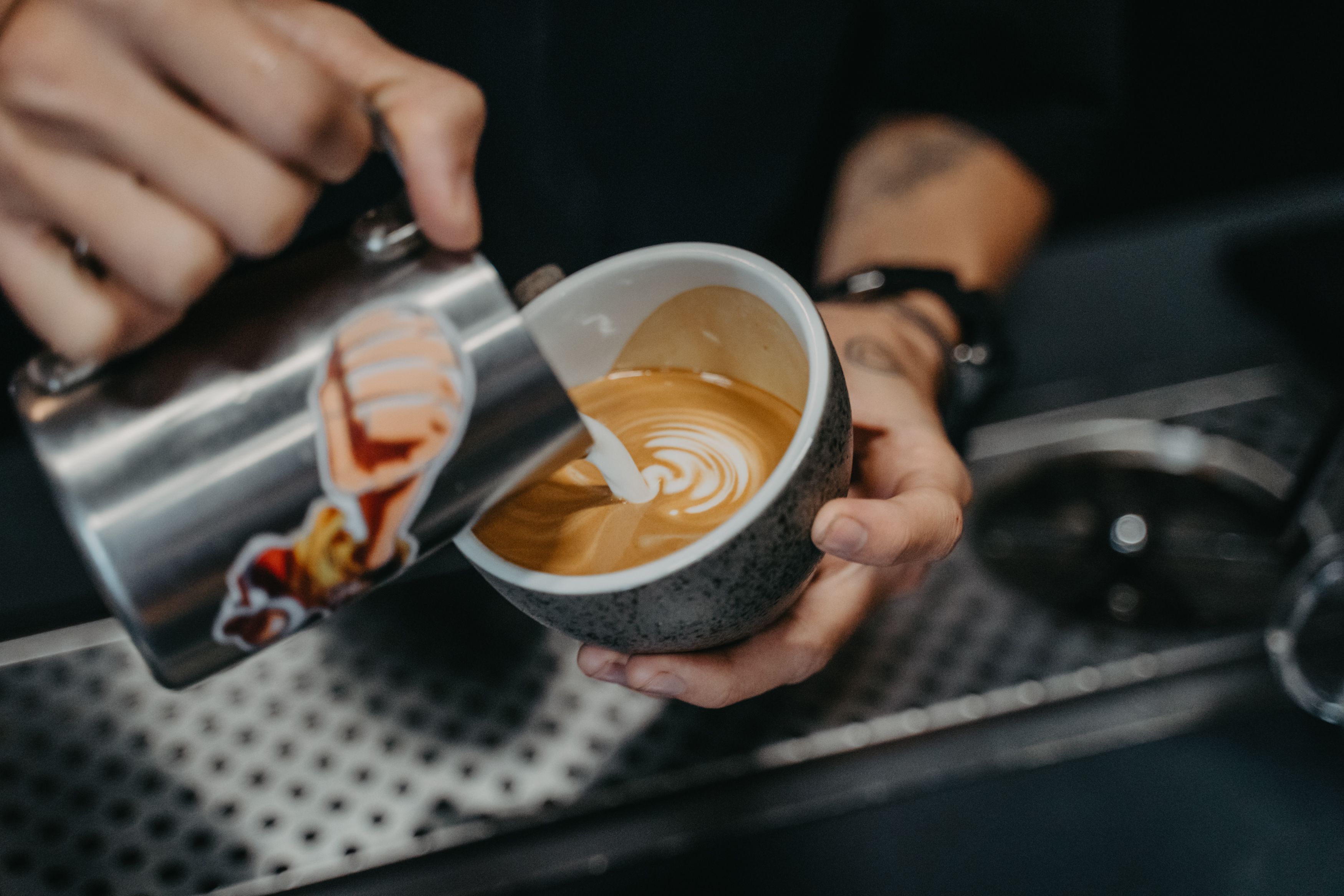
It has even filtered down to the five-dollar luxury. The café where the barista knows your order before you speak, and still pours the latte art like a small ceremony, is the same economics in miniature. A few coins buy a moment of being known – which, more than any product, is what people now call a treat.
The logic reaches even the most private corners of the service economy, where one-on-one attention is not a feature but the entire offer. A premium companion such as Louisa is chosen not for a transaction but for an evening shaped around one guest – the conversation, the mood, the discretion. Strip the surface away and it is the same bespoke principle as the Savile Row fitting: the product is one person paying full attention. Nothing else competes with that.
What anyone selling anything should learn
None of this is sentimental – it is arithmetic. In Deloitte’s 2026 Global Powers of Luxury report, 28.6 percent of executives named customer experience and loyalty the strongest growth opportunity, ahead of pricing and product. The lesson is blunt: hire people who remember, keep a human at the moment of truth, and never let automation impersonate care. In an economy where every machine can pretend to know you, the person who actually does is the rarest luxury of all.